2026-11-27
Wearing a Hat After a Hair Transplant in Winter: Heating and Dry Scalp Care
You can wear a hat after a hair transplant if it's loose and doesn't press on the grafts. This guide covers scarves, dry scalp from heating, saunas, and the winter recovery timeline.
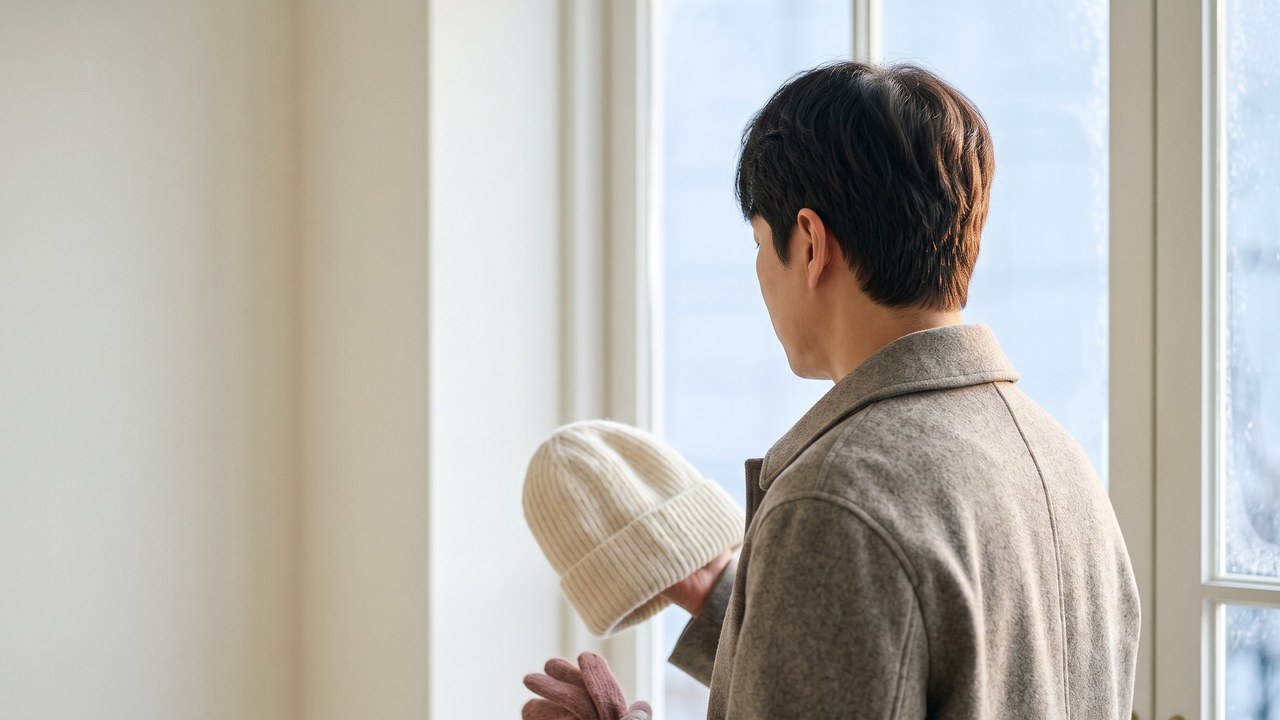
You can wear a hat after a hair transplant. Until the transplanted follicles have settled in, though, choose a loose hat and wear it so that it doesn't press on or tighten around the transplanted area. Winter adds a few more things to watch for. Scarves and collars touch the donor area at the back of the head, scalp dried out by heating can itch, and there are more situations involving heat and sweat, such as saunas and jjimjilbang (Korean bathhouses). When you can start wearing a hat, and which kind, depends on the surgical method and your recovery, so the instructions you received after surgery are the standard to follow.
What changes if you have a hair transplant in winter?
The surgical process and recovery timeline don't vary by season. Non-incisional hair transplantation is performed under sleep anesthesia or local anesthesia (the anesthesia method is decided at the consultation), and most patients go home the same day. The tiny scabs on the transplanted area usually fall off within 1–2 weeks, and around 1–3 months the transplanted hairs may temporarily shed (the shedding phase). Recovery speed varies from person to person.
What changes in winter is your living environment after surgery. Outdoors you reach for a hat and scarf, and indoors the air gets dry from heating. Toward year-end there are also more occasions that raise your body heat, such as saunas, jjimjilbang and gatherings. This article goes through what to watch for in each of these settings.
When can I start wearing a hat after a hair transplant, and how should I wear it?
A common assumption
Isn't it forbidden to wear a hat at all after surgery?
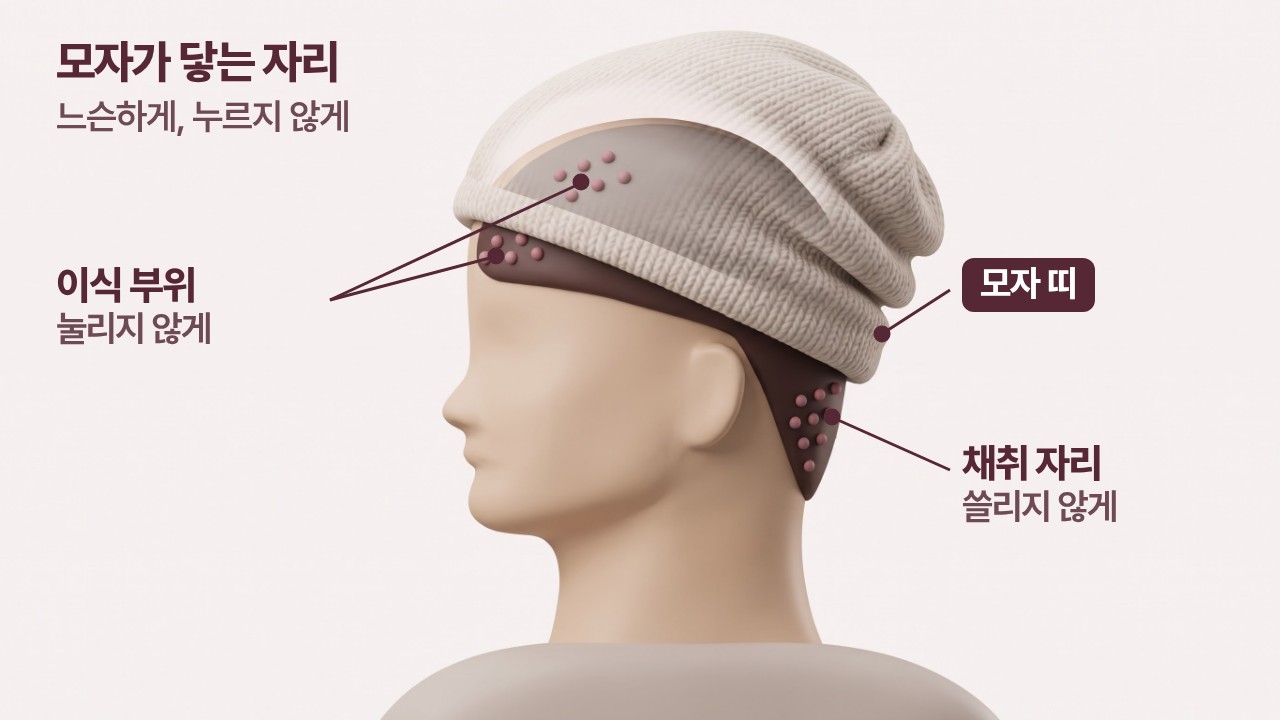
The post-care instructions for non-incisional hair transplant at Newcell Plastic Surgery Clinic say to wear a hat loosely until the follicles have taken hold (engrafted), and not to press on or tighten the transplanted area. Follicles that haven't settled yet can fall out or be damaged if they are scratched or rubbed.
The day you can begin wearing a hat and the type of hat are advised differently depending on the transplant range and your recovery. Choose a hat using the criteria below, and follow the instructions you received after surgery for the date.
- A hat with plenty of room around the head — Choose a size where the fabric doesn't press against the area above the forehead or the crown.
- A hat with no tight parts — A knit hat that clings to the head, or a hood with a drawstring pulled tight, can press on the transplanted area.
- Put it on and take it off slowly — Don't drag the hat down; lift it with both hands to put it on and take it off. This keeps the transplanted area from rubbing against the fabric.
- Wash the lining often — Sweat and sebum get on the inside of a hat. Wear a hat that has been washed and is completely dry.
- Check helmets separately — For gear that wraps around and presses on the head, such as motorcycle, bicycle and ski helmets, ask your medical team when you can wear it again.
Is it okay if a scarf, hood or collar touches the donor area at the back of my head?
The back of the head is as easy to overlook as the hat. The area where follicles were harvested (the donor area) is on the lower back of the head, so scarves, padded-jacket hoods and coat collars touch it all the time.
Newcell Plastic Surgery Clinic uses the behind-the-cut method for non-incisional hair transplants. The outer hair is left at its length, and only the hair underneath is trimmed short to harvest the follicles. However, if you normally keep your hair short, the donor area may be visible, so whether to shave and how much is decided based on your hair length and the transplant range.
Even when the outer hair covers the donor area, the scalp underneath is where follicles were taken one by one, so it needs time to heal. Wrap a scarf loosely around the lower neck, and instead of wearing a hood over your head, leave it flipped back behind you. This is to keep rough wool from rubbing the back of your head.
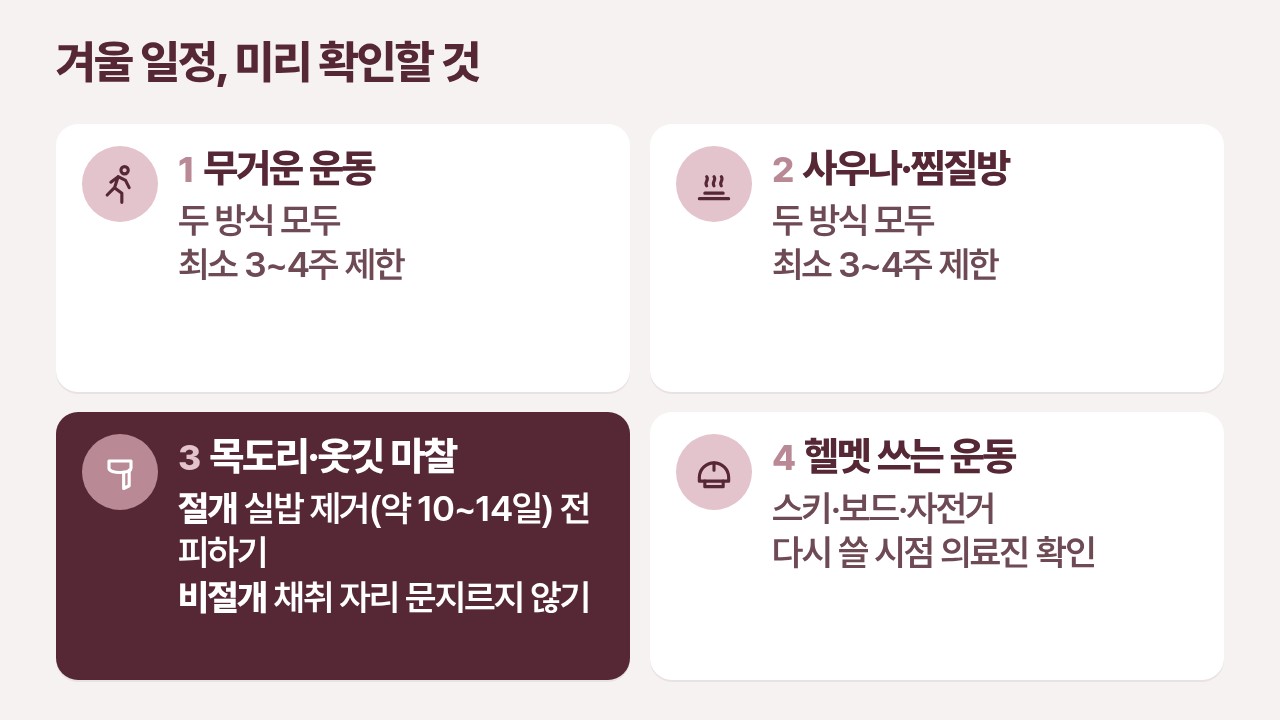
Incisional hair transplant involves sutures at the back of the head, so extra care is needed. Stitches are usually removed at around 10–14 days. This is a general guideline and may vary depending on the transplant range and scalp condition. Until the stitches are out, avoid strong irritation or friction on the incision site. During this period, take another careful look at any scarf, hood or high collar that touches the back of your head.
What should I do when heating makes my scalp dry and itchy?
Itching in the transplanted area is one of the symptoms that can occur after surgery. In winter, heating dries the indoor air, and cold, dry wind outdoors dries the skin as well. So the itching may bother you more.
Even if it itches, don't scratch or rub the transplanted area. Even if the scabs bother you, don't pick them off with your fingers.
What to keep in mind in the dry season
- Apply only what you've been told to — Don't apply moisturizer, scalp tonic or oil to the transplanted area on your own. Follow the timing for medication and ointment use that your medical team gave you.
- Shampoo according to the method and timing you were given — Follow the post-surgery instructions for the date of your first shampoo and how to apply water. The American Academy of Dermatology advises using warm rather than hot water for dry skin. For the temperature and pressure of the water reaching the transplanted area, follow your post-surgery instructions.
- The air in the room where you sleep — Placing a humidifier in the bedroom while you sleep can ease dryness. Wash the humidifier often so mold doesn't form.
If redness, swelling or pain grow along with the itching, don't brush it off as dryness—contact the clinic.
When can I go back to saunas, jjimjilbang and winter sports?
According to Newcell Plastic Surgery Clinic's guidance, for both non-incisional and incisional hair transplants, strenuous exercise and saunas/jjimjilbang are restricted for at least 3–4 weeks. This is a general guideline, and your medical team may advise differently depending on your recovery. If you had surgery in early December, year-end sauna or jjimjilbang plans may overlap with this period, so count the dates first.
Winter sports where you wear a helmet, such as skiing, snowboarding or cycling, involve both sweat and pressure, so ask before you make plans.
You sweat in daily life too. If you spend a long time in a heated subway or indoors dressed in a thick padded jacket and a hat, sweat builds up inside the hat. When you come indoors, take the hat off so your scalp isn't left soaked with sweat.
If I have surgery in winter, when will the shedding phase and new hair show up?
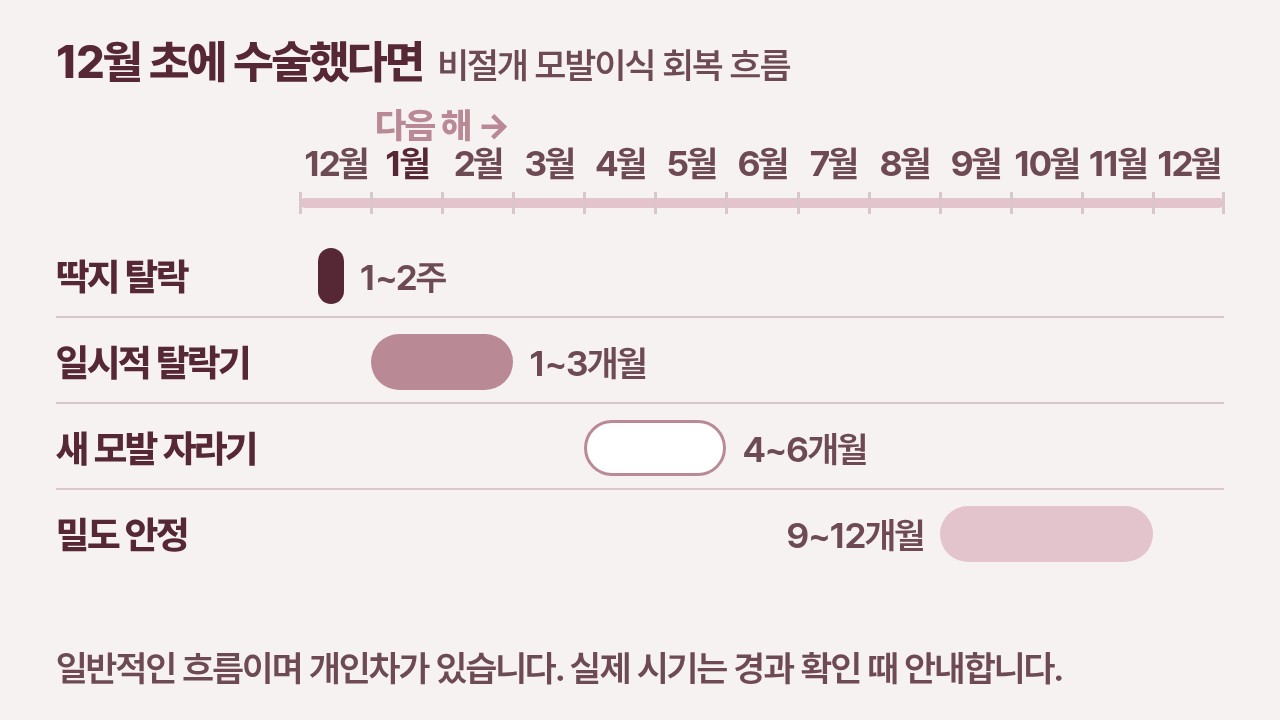
Hair grows in cycles, so results appear gradually. Assuming you had a non-incisional hair transplant in early December, the typical recovery timeline falls on the calendar as follows. The actual timing differs from person to person.
- 1–2 weeks · mid-December — The tiny scabs fall off and daily activities become more comfortable. This overlaps with the period when you need to be careful about friction from hats and scarves.
- 1–3 months · around January–March — The transplanted hairs may temporarily shed (the shedding phase). The follicles are in the stage of settling into the scalp, and this is a normal part of recovery. Existing hair nearby may also shed temporarily.
- 4–6 months · around April–June — New hair begins to grow in, thin and soft.
- 9–12 months · around September–December of the following year — Hair thickness and density continue to settle. The final result varies depending on hair characteristics.
If the shedding phase overlaps with midwinter, you may feel anxious about noticing shed hairs every time you take off your hat. Newcell Plastic Surgery Clinic explains the changes and precautions for each stage in advance, and checks your progress on schedule, including post-transplant care. You can find the restriction periods for each surgical method in “Incisional vs. Non-Incisional Hair Transplant — How Do the Shaved Area and Return-to-Work Timing Differ?”.
Symptoms that can occur after surgery and signs to contact the clinic right away
After a non-incisional hair transplant, the following can occur: swelling that moves down toward the forehead and around the eyes, scabs, redness, itching, pain, pinpoint scars at the donor area, temporary shedding of transplanted and nearby hair, folliculitis, infection, and reduced scalp sensation. Incisional hair transplant can cause bleeding, bruising, and a linear scar at the back of the head (scar width varies from person to person), and a pulling or tight feeling at the incision site may be felt temporarily. The degree of engraftment and the final density vary from person to person.
Contact the clinic right away if redness, swelling or pain in the transplanted or donor area keeps getting worse, if blood or pus keeps seeping out, or if you have a fever. In winter, you wear a hat for long periods and look at the transplanted area less often. When you get home, take off your hat and check the area in a mirror from time to time.
Hat and winter care after a hair transplant: frequently asked questions
Are results better if I have a hair transplant in winter?
The degree of engraftment and the final density depend on each person's hair and scalp condition, and self-care after surgery also has an effect. If you have an important event in winter, tell us at the consultation in advance.
What should I wear and bring when I go home on the day of surgery?
Clothes that open at the front touch your head less when you change than clothes you pull off over your head. If the trip home will be cold, bring one hat with plenty of room around the head. Whether you can wear that hat on the day of surgery and how to wear it, follow the instructions you receive after surgery.
When can I drink alcohol at year-end gatherings?
Drinking and smoking can negatively affect follicle engraftment, so both are prohibited for at least 2 weeks after non-incisional and incisional hair transplants alike. If the date of a gathering is already set, tell us at the consultation, and we'll schedule the surgery date with that in mind.
What we do at the consultation
We plan with your winter schedule in mind
- Checking the stage and type of hair loss
- Checking the condition of the follicles at the back of the head and your hair length
- Explaining hat, exercise and sauna precaution periods suited to the surgical method
- Explaining the shedding and recovery phases by period in advance
This isn't a consultation that assumes you'll have the procedure; we first check your current condition and then advise on a suitable method. After surgery, we check your progress on schedule. Results and recovery may vary from person to person.
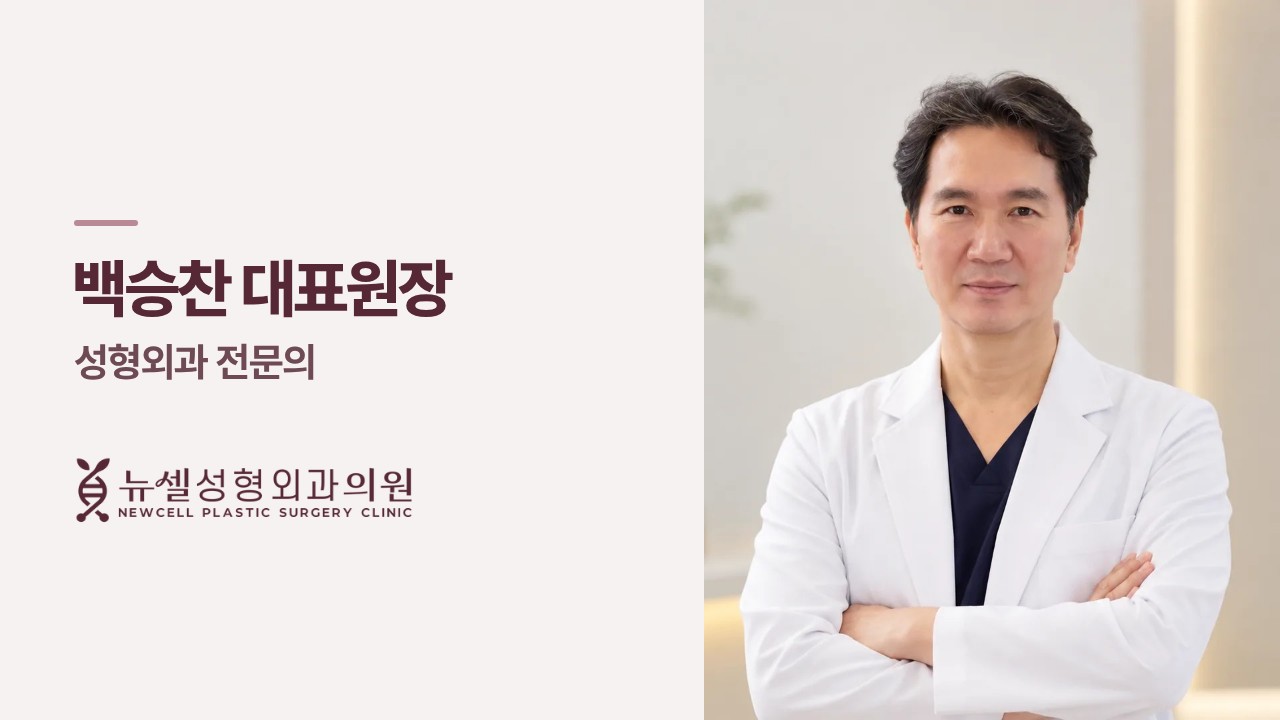
Baek Seung-chan, Representative Director of Newcell Plastic Surgery Clinic, is a plastic surgery specialist and has served as an adjunct professor of plastic surgery at the Catholic University of Korea College of Medicine and Korea University College of Medicine.
Consultation and Appointments
| Phone | 1533-1701 |
|---|---|
| Hours | Mon–Fri 10:00 – 19:00 (last check-in 18:30)
Sat 10:00 – 16:00 (last check-in 15:30) · Closed Sun · By appointment only. |
| Address | 4F, FIRST LIGHT Tower, 417 Dosan-daero, Gangnam-gu, Seoul (Cheongdam-dong) |
| Website | newcell.co.kr |
| KakaoTalk | You can send an inquiry using the ‘KakaoTalk Inquiry’ button on the website. |
#HairTransplant #HatAfterHairTransplant #WinterHairTransplant #NonIncisionalHairTransplant #IncisionalHairTransplant #HairTransplantAftercare #DryScalp #BehindTheCut #SheddingPhase #NewcellPlasticSurgeryClinic
Advertisement