2026-11-14
Understanding the Process and Key Features of Male Non-Incision Hair Transplant
This guide explains how male non-incision hair transplant works, from follicle harvesting and hairline design to implantation angle, its advantages, and why aftercare matters.
Understanding the Process and Key Features of Male Non-Incision Hair Transplant

Understanding the Process and Key Features of Male Non-Incision Hair Transplant
Male non-incision hair transplant is a method that moves hair follicles to areas where hair loss has progressed, and it has been drawing a lot of attention recently. In particular, many people who want to minimize the burden of surgery choose it because it does not require incisions. However, rather than choosing it simply because “it leaves fewer scars,” it is important to understand exactly how it works.
How the Male Non-Incision Hair Transplant Is Performed
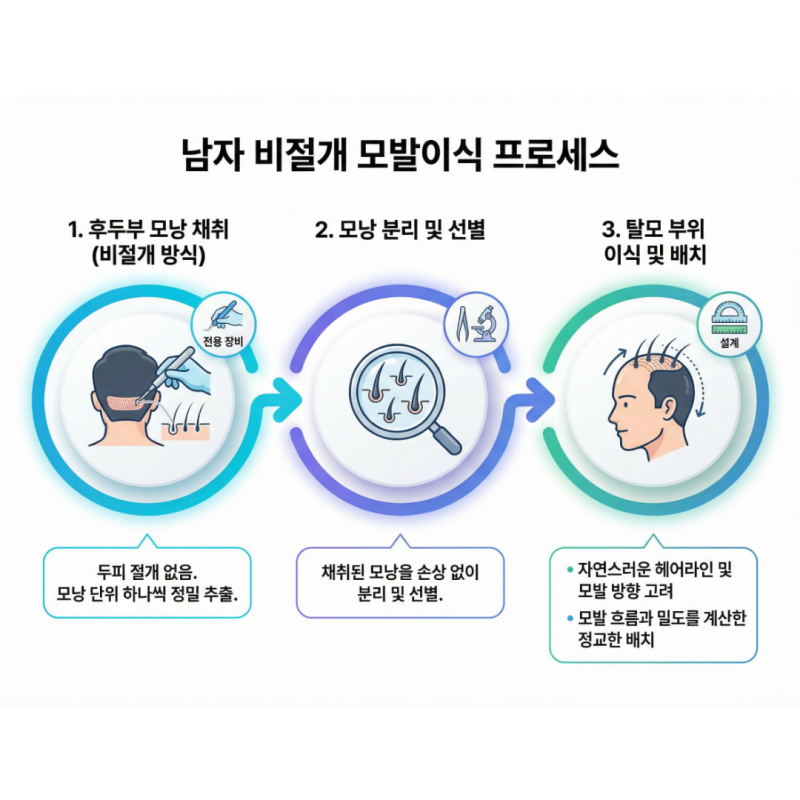
Male non-incision hair transplant involves harvesting hair follicles one by one from the back of the head and implanting them in the area of hair loss. The defining feature is that the scalp is not incised, and the follicles are separated into individual units.
During this process, it is important to use specialized equipment to extract the follicles without damaging them. The harvested follicles then go through separation and selection before moving on to the implantation stage. Afterward, they are placed naturally, taking the hairline and direction of hair growth into account.
Because the goal is not simply to move hair but also to consider the flow and density of the hair, the planning process plays a key role.
Advantages and Considerations of Male Non-Incision Hair Transplant
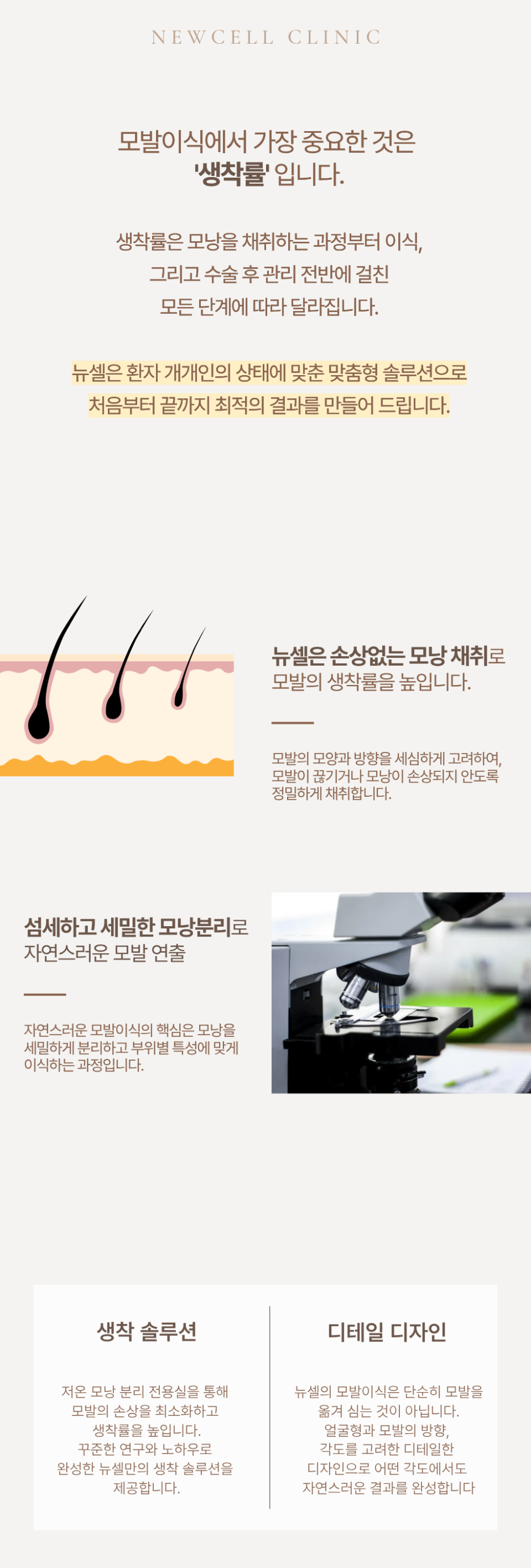
The most notable feature of male non-incision hair transplant is that it does not involve incisions. As a result, there is less burden from linear scarring after surgery, and many people expect a relatively quick recovery.
It is also often cited as an advantage that the donor area is less noticeable, which makes it a lower-concern option for those who keep their hair short.
However, it does not apply the same way in every case. Harvesting efficiency can vary depending on follicle condition and scalp conditions, and if a large number of grafts is needed, the time required and the level of difficulty can increase.
Therefore, rather than deciding based on the method alone, it is necessary to consider your stage of hair loss and your scalp condition together.

Key Factors in the Male Non-Incision Hair Transplant Process
The results of a male non-incision hair transplant are not determined by the number of grafts alone. Several factors work together.
The first is the follicle harvesting process. It is important to harvest follicles while minimizing damage, and the environment for graft survival can vary depending on the skill level of this process.
The second is hairline design. It is important to design the hairline so that it blends naturally, taking face shape and existing hair condition into account. In particular, the front hairline has a direct impact on overall impression, so it requires a meticulous approach.
The third is the angle and direction of implantation. Hair grows in a certain direction, so if this is not taken into account, the result can look unnatural.
Why Aftercare Matters After a Male Non-Incision Hair Transplant
Although the procedure itself is important, aftercare can also affect the results of a male non-incision hair transplant.
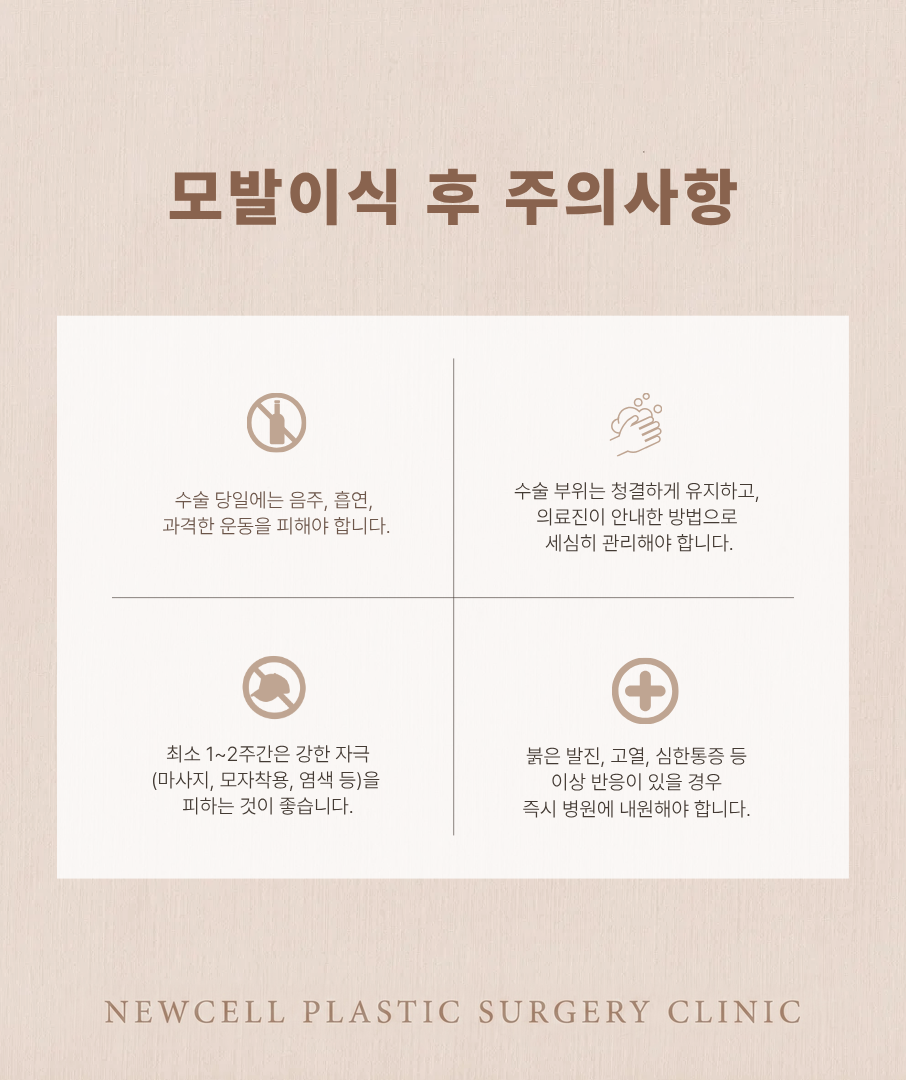
In the early stages, the transplanted follicles are settling in, so it is important to minimize external stimulation. Avoid excessively touching the scalp or applying pressure to it.
It is also necessary to adjust your cleansing routine and lifestyle habits for a certain period, and consistently following the care instructions you receive is helpful.
At a certain point after transplantation, a temporary shedding phase may occur. This is generally known to be one of the expected steps in the process, and hair then goes through a regrowth phase.
Points to Check When Considering a Male Non-Incision Hair Transplant
When considering a male non-incision hair transplant, comparing only the method or the cost has its limits.
It is necessary to check comprehensively factors such as follicle condition, the extent of hair loss, and the number of grafts needed, as the approach can vary depending on individual circumstances.
It also helps to review not only the procedure itself but also the post-operative care system to ensure a stable process.
Because male non-incision hair transplant is a procedure aimed at changing one's appearance, it is important to approach it with a thorough understanding and preparation. Rather than judging based on limited information alone, it is necessary to objectively assess your own condition and make a careful decision.











Frequently Asked Questions
What is a male non-incision hair transplant?
It is a method in which hair follicles are harvested one by one from the back of the head and transplanted to areas of hair loss. The defining feature is that the scalp is not incised, and the follicles are separated into individual units. The harvested follicles then go through separation and selection before being implanted.
Is there less scarring if there is no incision?
Yes. Because the procedure does not involve incisions, it is cited as an advantage that there is less burden from linear scarring after surgery. However, this does not apply equally in every case and can vary depending on follicle condition and scalp conditions.
Are the results determined only by the number of grafts?
No. The number of grafts alone does not determine the result, as several factors work together. The follicle harvesting process, hairline design, and the angle and direction of implantation are considered together.
Why does aftercare matter after the transplant?
Because the transplanted follicles are settling in during the early period, it is important to minimize external stimulation. Avoid excessively touching the scalp or applying pressure, and consistently following the care instructions you receive is helpful.
Can hair fall out after the transplant?
Yes. A temporary shedding phase may occur at a certain point after transplantation, and this is generally known to be one of the expected steps in the process. Hair then goes through a regrowth phase.
What should be considered in hairline design?
It is important to design the hairline so that it blends naturally, taking face shape and existing hair condition into account. In particular, the front hairline directly affects overall impression, so it requires a meticulous approach.