2026-11-21
The Process and Changes to Know Before an M-Shaped Hair Transplant
A guide to the M-shaped hair transplant process, from early hairline changes and consultation to procedure methods, recovery timeline, and aftercare.
The Process and Changes to Know Before an M-Shaped Hair Transplant

Hello,
This is New Cell Plastic Surgery Clinic.
When the sides of the forehead begin to look increasingly thin,
many people don't think much of it at first.
But over time,
the hairline gradually recedes,
and you start becoming conscious of camera angles in photos.
In particular, as the M-shape becomes more pronounced,
your overall impression can start to look different,
and concerns about your appearance naturally grow.
The reasons people consider an M-shaped hair transplant
often begin with these changes.
What to Check During an M-Shaped Hair Transplant Consultation
When researching clinics,
the most important step is the consultation.
Online reviews and photos alone
make it difficult to determine the right approach for your individual condition,
so having your condition examined in person is essential.
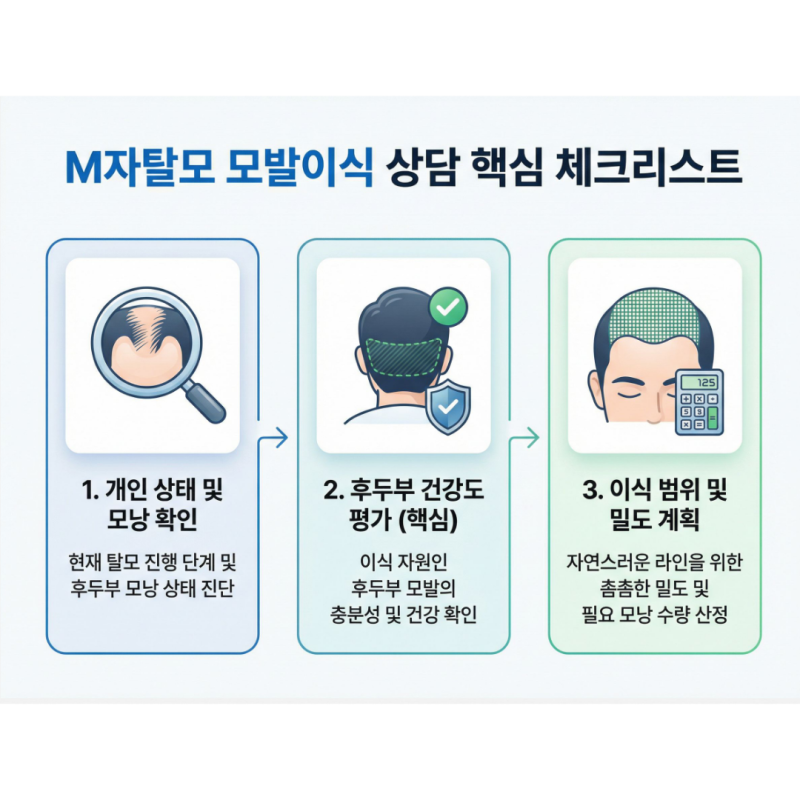
During the consultation, your current stage of hair loss
and the condition of your remaining hair follicles are checked first.
The health of the hair at the back of the head is especially important,
since transplants use follicles from that area.
Only when this area is sufficient can you expect stable results.
The consultation also includes planning
the transplant area and the specific number of follicles needed.
Although the M-shaped area may appear small,
creating a natural-looking hairline
requires dense coverage.

Hairline Design Determines the Outcome
In an M-shaped hair transplant,
the most crucial factor is hairline design.
It's not simply about filling in the thinning areas.
Considering your face shape and forehead proportions,
it's important to create a line that flows naturally.
A hairline set too low looks unnatural,
while one set too high may not deliver enough improvement.
Therefore, through thorough consultation with the medical team,
it's important to find the balance that suits you.
The frontal area in particular
requires very careful attention to angle and direction.
Only when the hair is arranged in a naturally flowing way
will the signs of the transplant not be visible.
Criteria for Choosing a Procedure Method
When undergoing an M-shaped hair transplant,
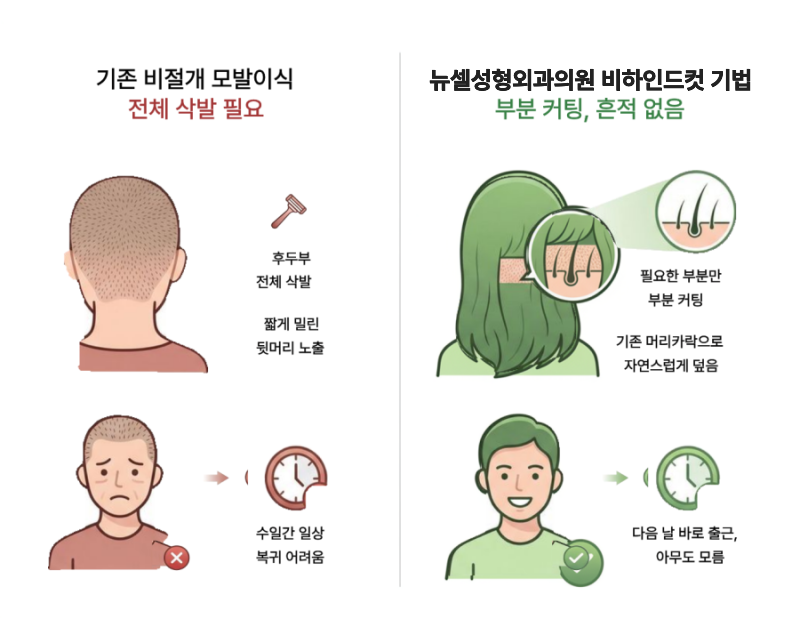
you choose between the incision method and the non-incision method.
The incision method
allows a relatively large number of follicles to be harvested in a shorter time,
but it may leave a linear scar.
The non-incision method
takes longer,
but generally leaves less visible scarring.
Your usual hairstyle
and how much of your scalp is exposed
can affect which method is most suitable.
How Does the Procedure Work?
The procedure is performed under local anesthesia.
You may feel a brief sting
only during the initial injection stage,
after which the procedure is relatively comfortable.
First, follicles are harvested from the back of the head,
and healthy follicles are selected under a microscope.
Then, following the designed hairline,
the follicles are transplanted one by one.
During this process,
matching the angle and depth is critical.
In particular, for the front hairline,
the key is to implant the follicles at a natural, flat angle.
The entire procedure
can take several hours or more
and involves repeated, meticulous work.
Aftercare Following an M-Shaped Hair Transplant
After the procedure,
early care is extremely important.
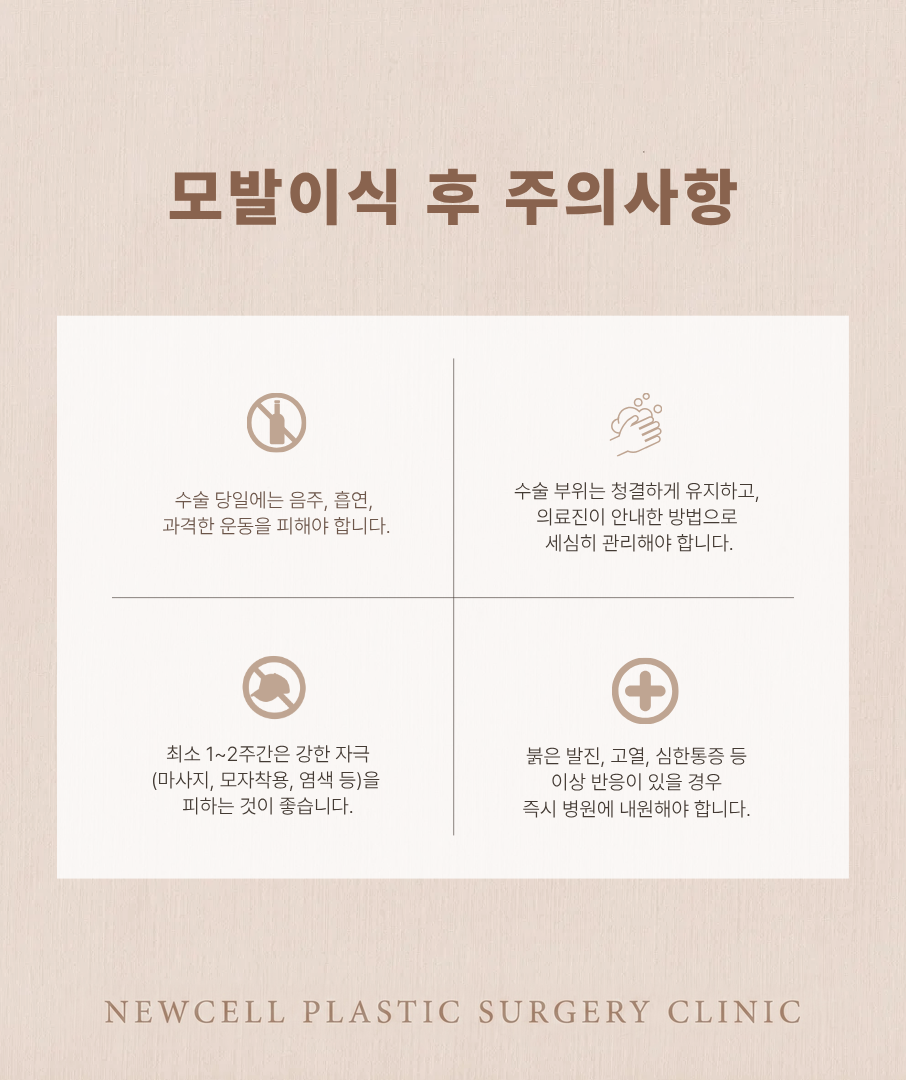
In particular, the first week
is when the follicles settle in,
so external stimulation should be minimized.
Avoid touching or scratching the area with your hands,
and follow the guidelines for cleansing and taking medication.
Cleansing can begin after a certain period,
and rather than using a strong stream of water,
a gentle approach is recommended.
The Recovery Process
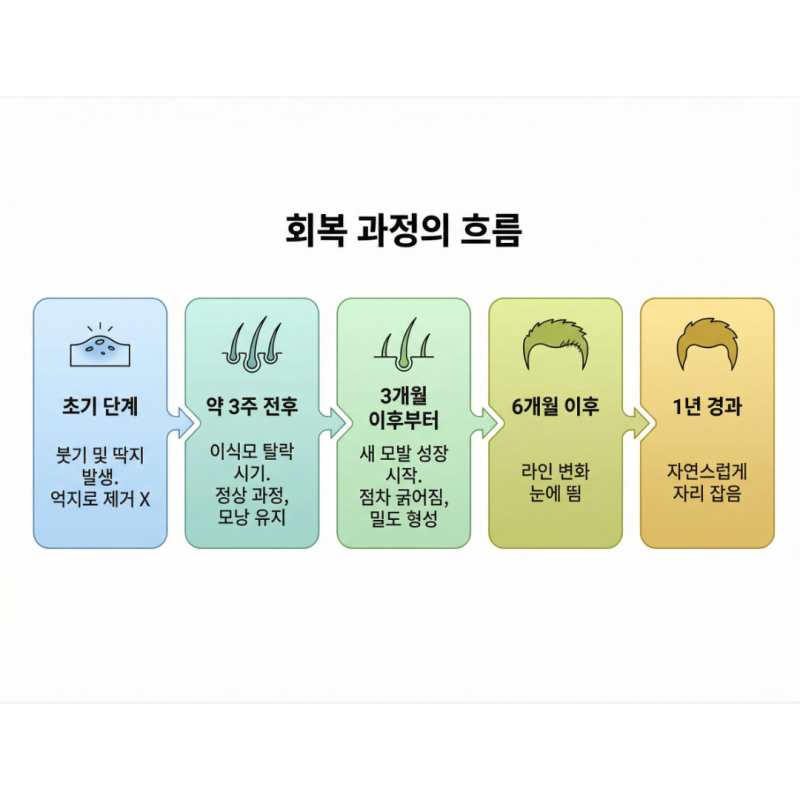
In the early stages, swelling and scabs may form,
which gradually fade naturally over time.
Forcibly removing them
can actually cause harm.
Around three weeks after surgery,
the transplanted hair may begin to shed.
This is a normal part of the process,
and the follicles remain intact.
Generally, starting about three months later,
new hair begins to grow
and gradually thickens and builds density over time.
After six months,
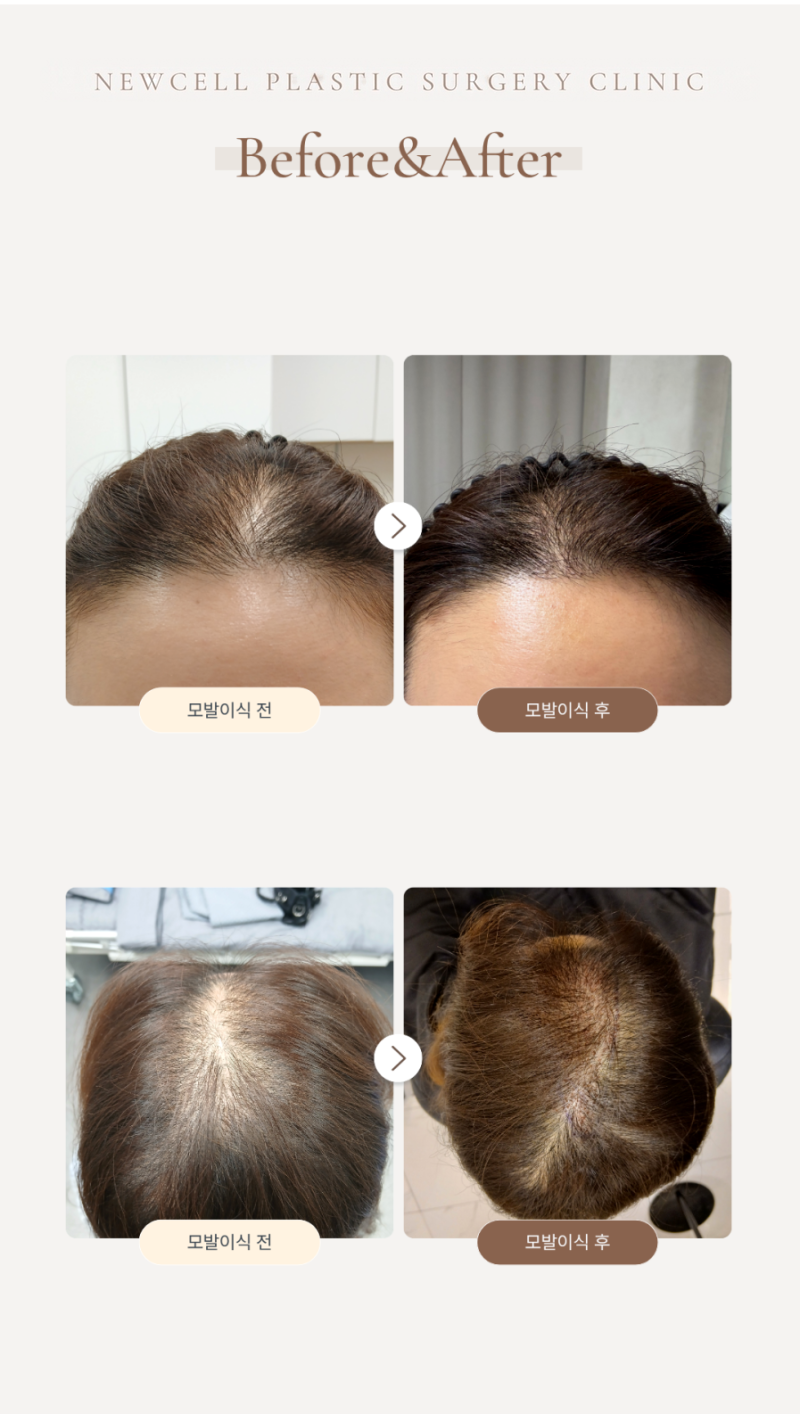
changes in the hairline become noticeable,
and after about a year, the results settle naturally.
An M-Shaped Hair Transplant Is a Process That Includes Ongoing Care
Even after the transplant,
ongoing care is important.
Scalp care and continued medication, as needed,
can help protect your existing hair.
An M-shaped hair transplant
is not simply a one-time procedure;
it can be viewed as part of a long-term care process.
Beyond the physical changes,
it can also affect self-confidence,
so it's important to decide carefully
after thorough consultation and comparison.

Frequently Asked Questions
Why is consultation important before an M-shaped hair transplant?
Online reviews and photos alone make it difficult to determine the right direction for your individual condition. For this reason, having your condition assessed in person is necessary. The clinic explains that when researching hospitals, consultation is the most important step.
What is checked during an M-shaped hair transplant consultation?
During the consultation, the current stage of hair loss and the condition of the remaining hair follicles are checked first. The health of the hair at the back of the head is also important, as transplants use follicles from that area, the clinic explains. The consultation also includes planning the transplant area and the specific number of follicles needed.
How do you choose between incision and non-incision methods for an M-shaped hair transplant?
Which method is suitable, incision or non-incision, can vary depending on your usual hairstyle and whether your scalp is exposed. The incision method allows a large number of follicles to be harvested in a short time but may leave a linear scar, while the non-incision method takes longer but generally leaves less visible scarring.
How long does it take for an M-shaped hair transplant to settle?
New hair typically begins to grow around three months after the procedure, and the results settle naturally after about a year. Around three weeks after surgery, the transplanted hair may shed, and after six months, changes in the hairline begin to become noticeable.
Is it normal for hair to fall out after a transplant?
Yes. Around three weeks after surgery, the transplanted hair may shed, and the clinic explains that this is a normal part of the process. The follicles themselves remain intact throughout this stage.
How should you care for your scalp in the early days after an M-shaped hair transplant?
During the first week, it's important to minimize external stimulation. Avoid touching or scratching the area, and follow the guidelines for cleansing and taking medication. Cleansing can begin after a certain period, and a gentle approach is recommended rather than a strong stream of water.