2026-11-22
Hair Transplant Graft Survival Period: Precautions That Make a Real Difference
A guide to the three stages of the hair transplant graft survival period, from early care to the 'dark period' and growth phase, with key precautions and factors that affect results.
Hair Transplant Graft Survival Period: Precautions That Make a Real Difference

One of the most common questions we get after a hair transplant is this:
"How long is the graft survival period? What should I be careful about during that time?"
Today, NewCell Plastic Surgery Clinic will walk you through the precautions for each stage of the graft survival period after a hair transplant in detail.
✅ What Is Graft Survival?
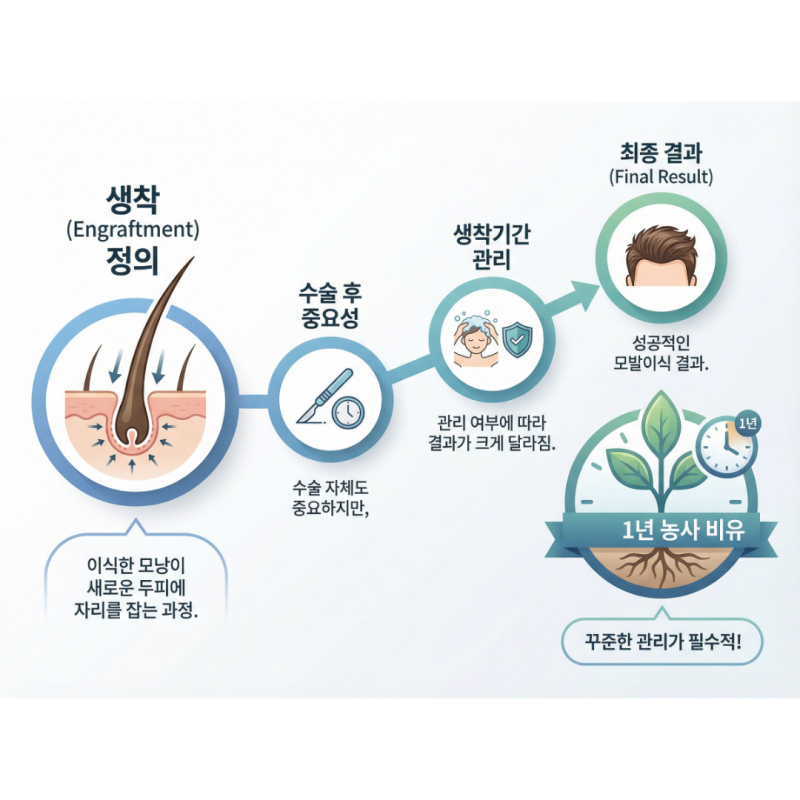
Graft survival refers to the process in which transplanted hair follicles settle into the new scalp.
While the surgery itself is important, the final outcome can vary greatly depending on how well the grafts are cared for during the survival period.
This is exactly why hair transplants are often likened to "a year of farming."
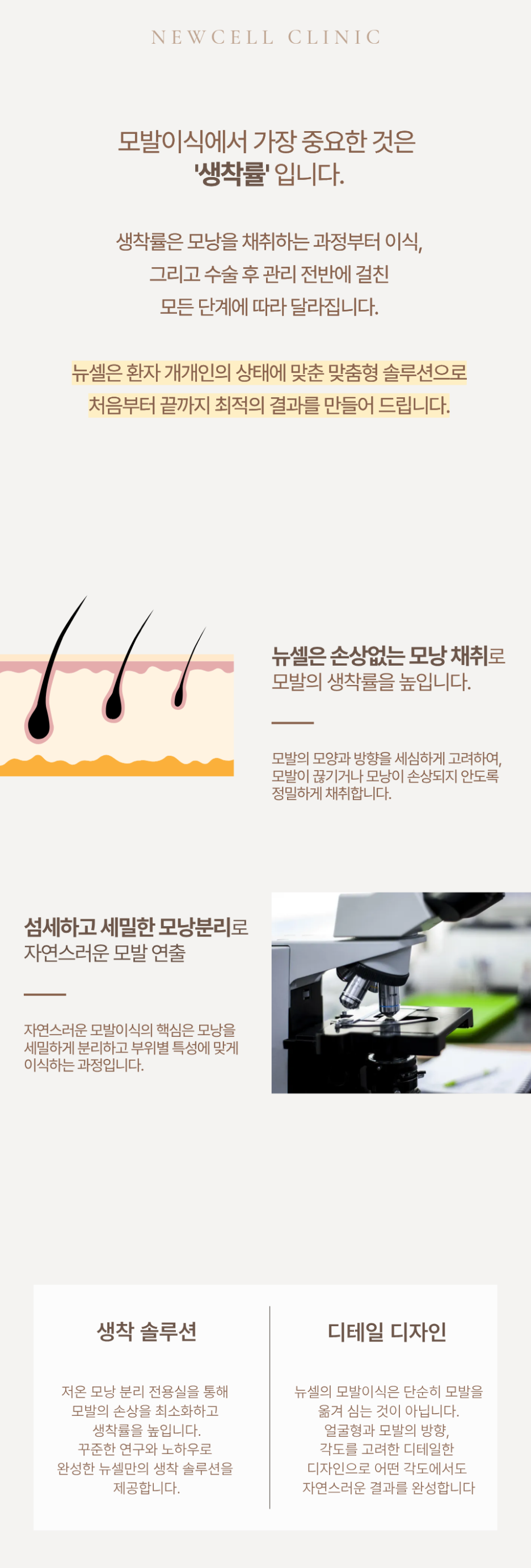
Stage-by-Stage Overview of the Graft Survival Period
Stage 1 | Early Survival Phase (Immediately After Surgery to 2 Weeks)
This is the most sensitive period in the entire graft survival process.
In particular, during the first 3 to 5 days after surgery, the transplanted follicles have not yet anchored firmly to the scalp, so they can fall out even from a minor impact.
👉 Key precautions during this phase
- Do not touch or scratch the transplant area with your hands
- Do not rub the area with a towel
- Keep the area moist with a graft care spray to prevent dryness
- Be mindful of your sleeping position so you don't put pressure on the transplant area
- Do not pick off scabs forcibly, even if they form
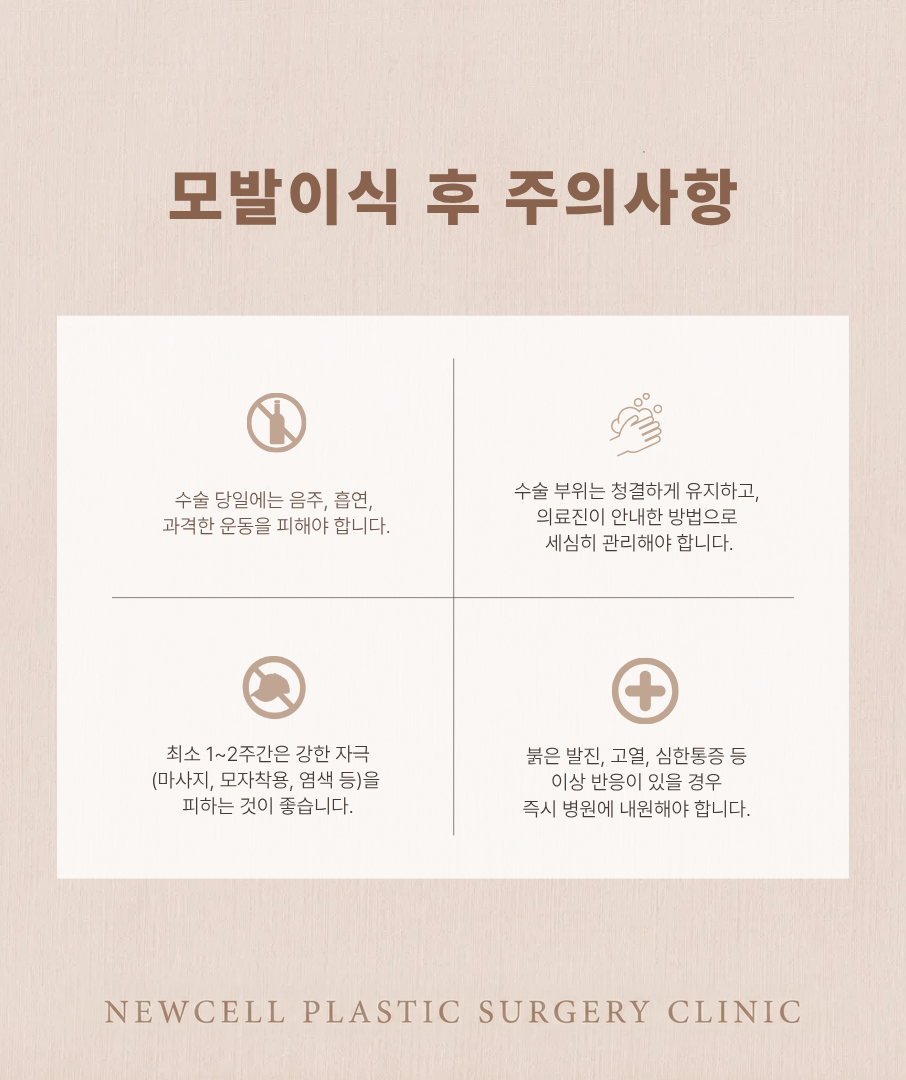
Through the first two weeks, it is important to avoid physical stimulation as much as possible.
🟡 Stage 2 | Intermediate Survival Phase (2 Weeks to 3 Months, Often Called the "Dark Period")
This is a period that many patients find worrying.
As the transplanted hairs begin to shed, it may feel as though you have even less hair than before surgery. However, this is a normal process in which the follicles prepare for a new growth cycle.
Within the first month after surgery, most transplanted hairs typically shed. From about one to four months, a dormant phase follows, during which the hairs remain shed while the follicles get ready to regrow.
There is no need to be alarmed or discouraged 😊
👉 Key precautions during this phase
- Avoid drinking and smoking (these can affect blood circulation and nutrient supply to the follicles)
- Avoid direct sun exposure to the scalp
- Avoid intense exercise and activities that cause heavy sweating, such as saunas
- Do not use medications or scalp products on your own
- Follow the clinic's guidance and attend regular follow-up checks
🟢 Stage 3 | Growth Phase (3 Months to 12 Months)
This is when you finally begin to notice changes.
Around three months, new hair typically starts to emerge gradually, and by six months, visible changes can be seen.
The final result can generally be assessed around 12 months. By this point, the transplanted hair should have settled in and grown naturally.
👉 Key precautions during this phase
- Continue using a gentle shampoo that minimizes scalp irritation
- Monitor graft status through regular follow-up checks
- Do not undertake any self-directed treatments beyond your medical team's instructions
- Take care of your overall condition (get enough sleep and eat a balanced diet)
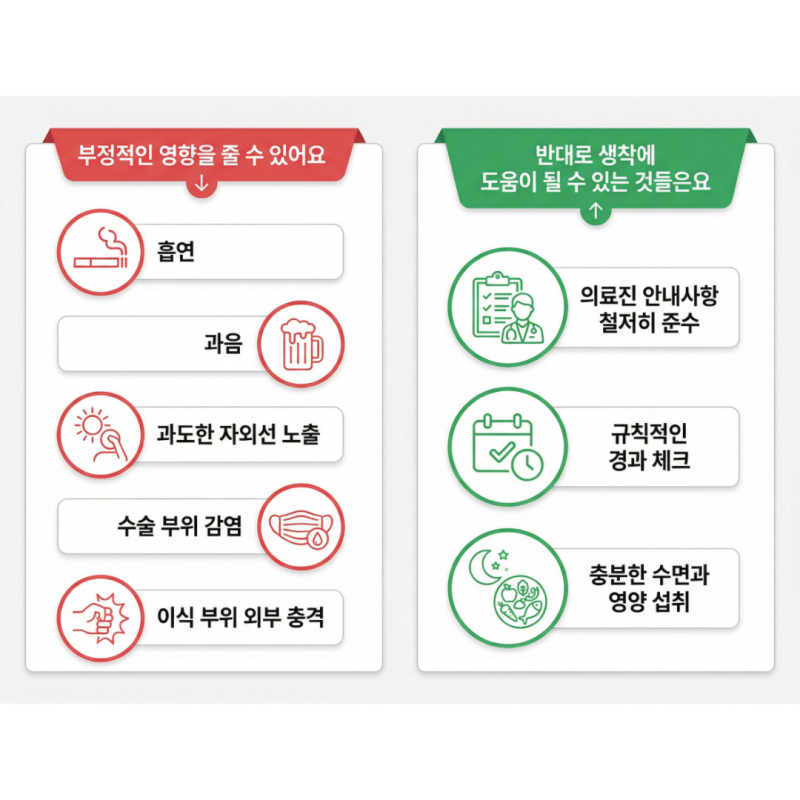
Factors That Can Affect Graft Survival Rates
The following factors may negatively affect graft survival:
✔ Smoking
✔ Heavy drinking
✔ Excessive UV exposure
✔ Infection at the surgical site
✔ Physical impact to the transplant area
On the other hand, the following can help support graft survival:
✔ Strictly following your medical team's instructions
✔ Regular follow-up checks
✔ Adequate sleep and nutrition
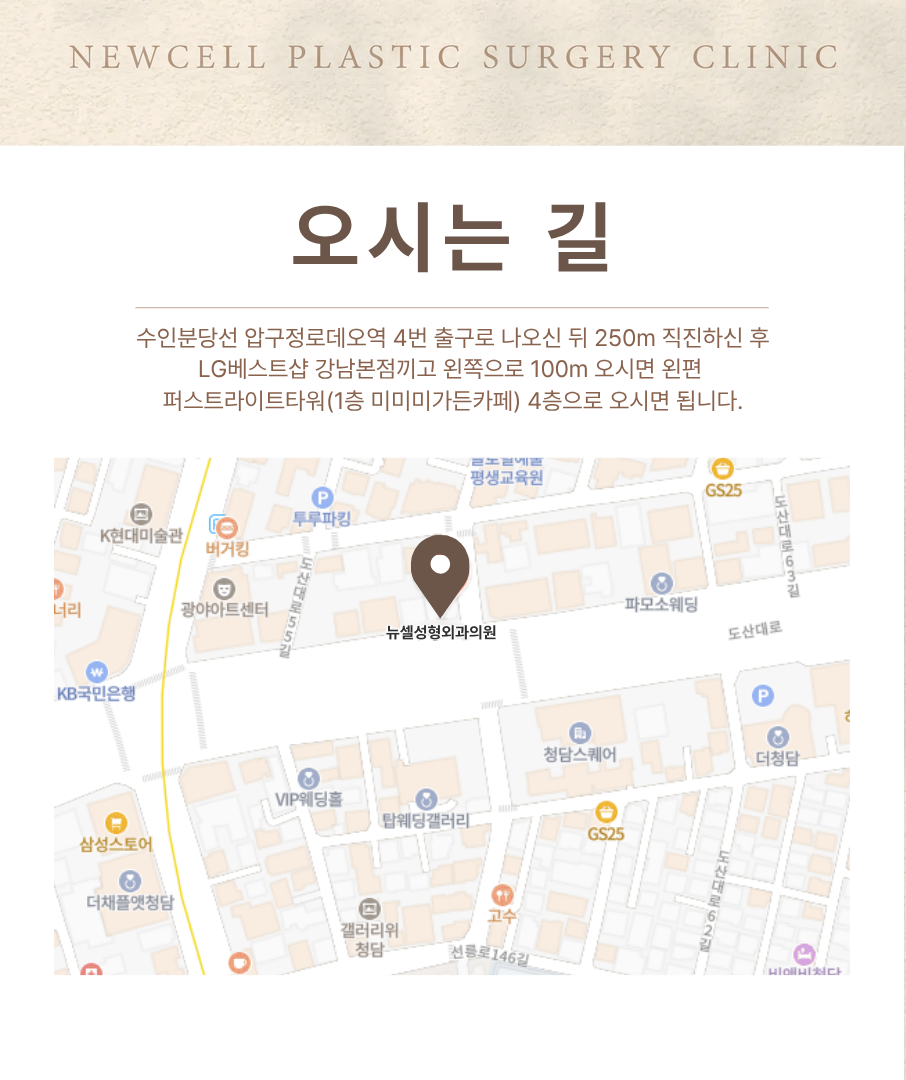
Post-Transplant Care at NewCell Plastic Surgery Clinic
At NewCell Plastic Surgery Clinic, we carefully check the status of each transplant through follow-up visits at every stage after surgery.
Your attending medical team personally checks your progress at 2 weeks, 3 months, 6 months, 9 months, and 12 months after surgery. We also operate a systematic aftercare program so you can reach out with any questions at any time.
A hair transplant doesn't end with the surgery itself. Care during the graft survival period is just as important for getting closer to the results you want.
This content is intended to provide general medical information, and results may vary depending on individual conditions. For an accurate diagnosis and treatment, please be sure to consult your medical team.

Frequently Asked Questions
How long is the graft survival period after a hair transplant?
The graft survival period is divided into three stages, and the final result can generally be assessed around 12 months. The early survival phase runs from immediately after surgery to 2 weeks, the intermediate survival phase from 2 weeks to 3 months, and the growth phase from 3 months to 12 months.
What should I be especially careful about in the early days after a hair transplant?
During the first two weeks after surgery, the key points are not touching or scratching the transplant area and not rubbing it with a towel. Keep the area moist with a graft care spray so it doesn't dry out, and do not pick off scabs forcibly even if they form.
Is it normal for transplanted hair to fall out during the intermediate survival phase?
Yes, this is described as a normal process in which the follicles prepare for a new growth cycle. Most transplanted hairs typically shed within the first month after surgery, and a dormant phase follows from about one to four months.
What factors can negatively affect graft survival after a hair transplant?
Smoking, heavy drinking, excessive UV exposure, infection at the surgical site, and physical impact to the transplant area may negatively affect graft survival. Following your medical team's instructions, attending regular follow-up checks, and getting adequate sleep and nutrition are described as helpful.
Should I avoid saunas and intense exercise after a hair transplant?
Yes. During the intermediate survival phase (2 weeks to 3 months), the article advises avoiding intense exercise and activities that cause heavy sweating, such as saunas. However, it does not specify when this restriction ends, so it is best to confirm with your medical team.
When should I come in for follow-up checks after a hair transplant?
Your medical team checks your progress at 2 weeks, 3 months, 6 months, 9 months, and 12 months after surgery. Schedules and methods may vary between clinics, so be sure to confirm when you consult with them.