2026-11-06
Hair Transplant Clinics: What to Know, from the Procedure to Results
Overview of hair transplant clinics covering the basic procedure, incision and non-incision methods, hairline planning, recovery timeline, and clinic selection tips.

Hair Transplant Clinics: What to Know, from the Procedure to Results

More and more people are visiting hair transplant clinics as their hair thins or their hairline changes. Because hair loss affects not only appearance but also self-confidence, many people want to learn the basics in advance. A hair transplant is not simply about filling in hair. It is better understood as a process of analyzing your current condition and supplementing it in an appropriate way.

The Basic Principles of Hair Transplantation
Hair transplant procedures generally involve harvesting hair follicles from the back of the head and transplanting them to the areas that need coverage. Hair in the back of the head is relatively less affected by male hormones, so it tends to remain stable after transplantation.
A transplanted follicle does not simply move to a new location. It adapts to its new environment and then resumes its growth cycle. For this reason, results do not appear right away; changes become visible gradually over time.
Understanding Hair Transplant Techniques
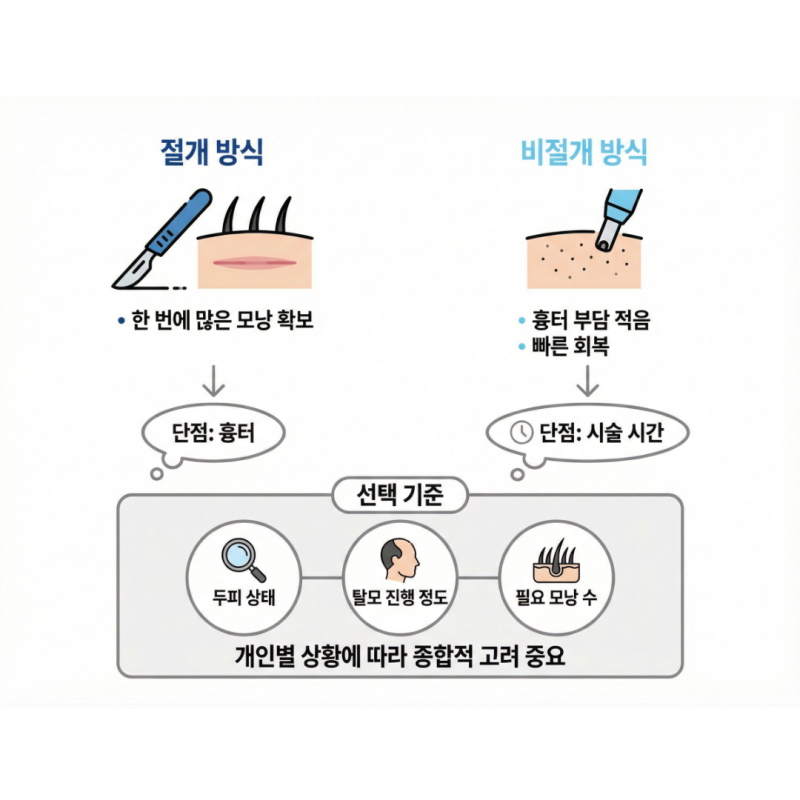
Hair transplant clinics commonly use two main approaches: the incision-based method and the non-incision method. The incision-based method can harvest a large number of follicles in a single session, while the non-incision method is known to leave relatively less scarring and to have a faster recovery.
However, rather than declaring one method better than the other, it is important to choose based on a comprehensive assessment of scalp condition, the extent of hair loss, and the number of follicles needed. Even at the same clinic, the approach may vary depending on each patient's situation.
Why Hairline Design Matters in Hair Transplants
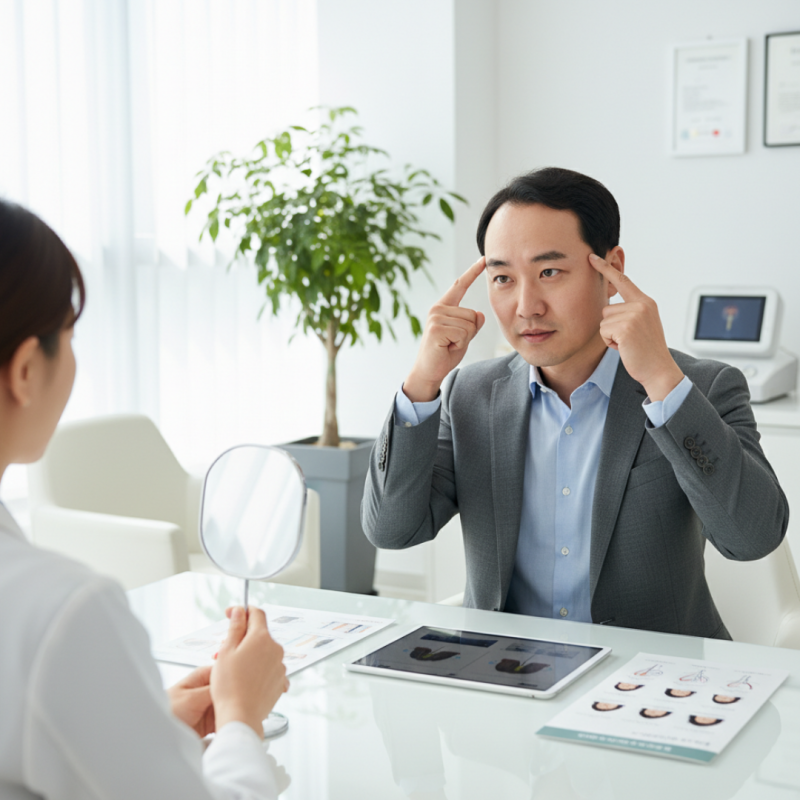
In hair transplantation, hairline design is the key factor that determines how natural the final result looks. Simply filling in hair is not enough. Setting a line that suits the face shape and proportions often leads to a more natural outcome.
For example, it is more important to design a hairline that harmonizes with a person's overall look than to simply narrow the forehead. The direction, angle, and density of the hair must also be considered so that the new hair blends naturally with existing hair.
Recovery and Changes After a Hair Transplant
After a hair transplant, there is a typical recovery period. In the early stage, hair in the transplanted area may temporarily shed. This is often explained as a natural part of the process.
Over time, new hair begins to grow, and visible changes generally start to appear around the six-month mark. After roughly a year, the thickness and density of the hair often settle into a relatively stable state.
What to Consider When Choosing a Hair Transplant Clinic
When looking into hair transplant clinics, it is important to check whether a plan suited to your current condition is offered, rather than judging based only on cost or reviews. The approach can vary depending on scalp condition, hair thickness, and the extent of hair loss.
It is also important to know whether a post-procedure management plan is provided. Existing hair can be affected over time, so medication management or scalp care is often combined with the procedure.
A hair transplant is not a one-time choice of procedure but a process that requires a long-term perspective. Accurately assessing your current condition, creating a step-by-step plan, and maintaining consistent care are key to sustaining the results.



Frequently Asked Questions
How are hair transplant procedures usually performed?
Most procedures involve harvesting hair follicles from the back of the head and transplanting them to the areas that need coverage. Hair in the back of the head is generally described as less affected by male hormones, so it tends to remain relatively stable after transplantation.
How do the incision-based and non-incision methods differ?
The incision-based method has the advantage of harvesting a large number of follicles at once, while the non-incision method is generally known to leave less scarring and to have a faster recovery. However, rather than declaring one method better, the choice is typically based on scalp condition, the extent of hair loss, and the number of follicles needed.
How is the hairline designed?
The hairline is generally designed to suit face shape and proportions and to harmonize with a person's overall look. The direction, angle, and density of the hair must also be taken into account so that the new hair blends naturally with existing hair.
Does transplanted hair fall out temporarily after the procedure?
Yes, in the early stage, hair in the transplanted area may temporarily shed. This is generally explained as a natural part of the process. New hair then begins to grow, and visible changes usually start to appear around six months after the procedure.
When do hair transplant results become visible?
Visible changes generally begin to appear gradually around six months after the procedure, and by about a year, the thickness and density of the hair tend to settle into a relatively stable state. Results are not immediate; they unfold gradually over time.
What should I check when choosing a clinic?
Rather than judging by cost or reviews alone, it is important to check whether a plan suited to your current condition is presented and whether a post-procedure management plan is provided. This is because the approach can vary depending on scalp condition, hair thickness, and the extent of hair loss.